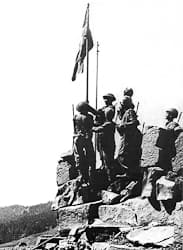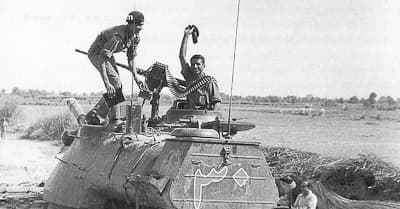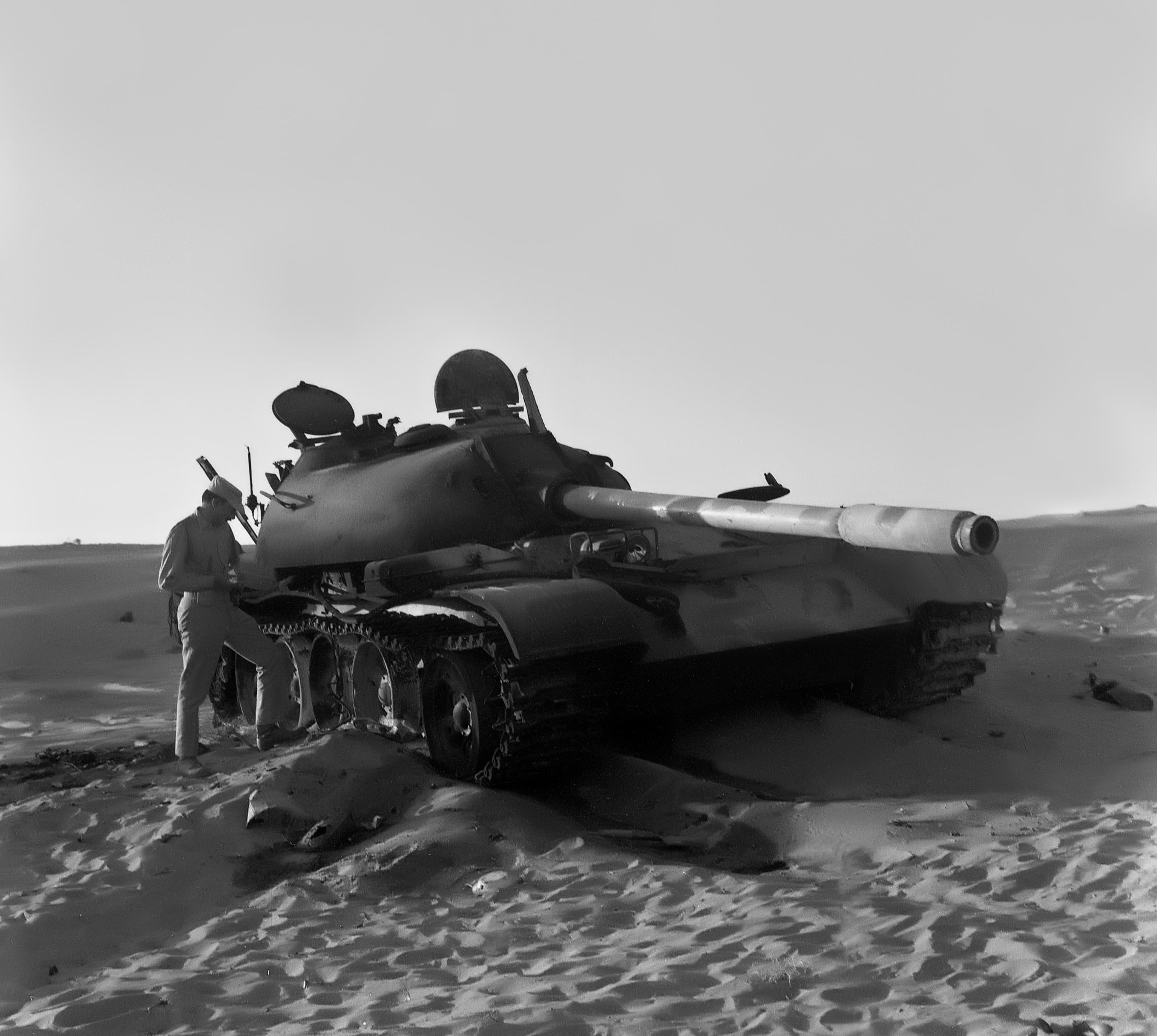
The 1971 Battle of Basantar, fought in the dusty, river-crossed terrain of the Shakargarh Bulge, stands as one of the most ferocious tank battles in modern history. Yet, beyond the raw display of firepower, the battle serves as a profound masterclass in organisational leadership. When thrust into an extreme, high-stakes environment, the commanders of the Indian Army's I Corps and 54 Infantry Division demonstrated that victory relies on a bedrock of mission-critical principles: operational adaptability, decisive action, placing the mission above self, and leading from the very front.
The Power of Strategic Agility
In any complex operation, rigid adherence to a pre-established script can be fatal. True leadership requires the flexibility to alter operational models as ground realities shift. Initially, the 54 Infantry Division planned a direct advance to establish a bridgehead across the Basantar River. However, as the advance progressed, commanders realised their eastern flank was dangerously exposed. Demonstrating immense strategic agility, they deviated from their original playbook. They temporarily suspended the forward push to secure vital pivot points at Chakra and Dehlra before resuming the offensive. Furthermore, they selected an entirely unexpected river crossing at Sarajchak-Lalial, completely outmanoeuvring Pakistani forces who had anchored their defences around Badwal. This willingness to adapt intent to reality is what keeps an organisation moving forward in chaos.
Decisiveness in Ambiguity
In crises, leaders rarely have perfect information or ideal conditions. Waiting for total certainty before making a move often guarantees failure. During the battle, the Indian advance was blocked by formidable mine barriers stretching nearly 1,500 metres deep, heavily covered by enemy artillery and machine guns. Rather than stalling, Indian Engineers made the decisive call to breach the minefield using the temporary cover of a dust haze. Major VR Chowdhary led this terrifying effort, clearing lanes and forging operational tracks until he was killed in action. The decision was inherently dangerous and the conditions imperfect, but executing it swiftly maintained the army's momentum.
Mission Above Self
Effective organisations cultivate a culture where individuals prioritise the collective mission over their own self-interest. During the intense tank battles of Basantar, the 'B' Squadron of the 17 HORSE found itself heavily outnumbered. Recognising the systemic threat, Second Lieutenant Arun Khetrapal immediately rushed his troop forward to assist. Even after his tank sustained a direct hit and his crew suffered casualties, he refused to abandon his vehicle. He destroyed five enemy tanks before being fatally struck. His actions embody the ultimate commitment to the team's success over personal preservation.
Leading from the Front
When a team faces overwhelming pressure, leadership cannot be exercised from a distant, insulated headquarters. As Pakistani forces launched desperate, wave-after-wave counterattacks on December 17, Major Hoshiar Singh realised his men needed visible, shared commitment. Unmindful of the intense shelling, he moved from trench to trench, directly engaging and inspiring his troops. Despite sustaining serious wounds, he flatly refused medical evacuation until the battle was secured.
The Battle of Basantar ultimately decimated the opposing 8 Armoured Brigade and secured a decisive victory. It proved that in the crucible of extreme conflict, success belongs to leaders who adapt their strategies swiftly, act decisively in the face of uncertainty, and share the profound risks of their frontline teams.