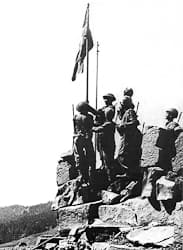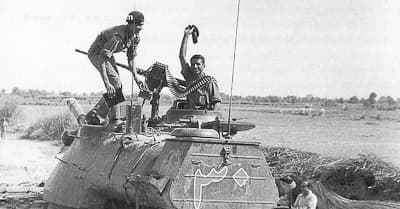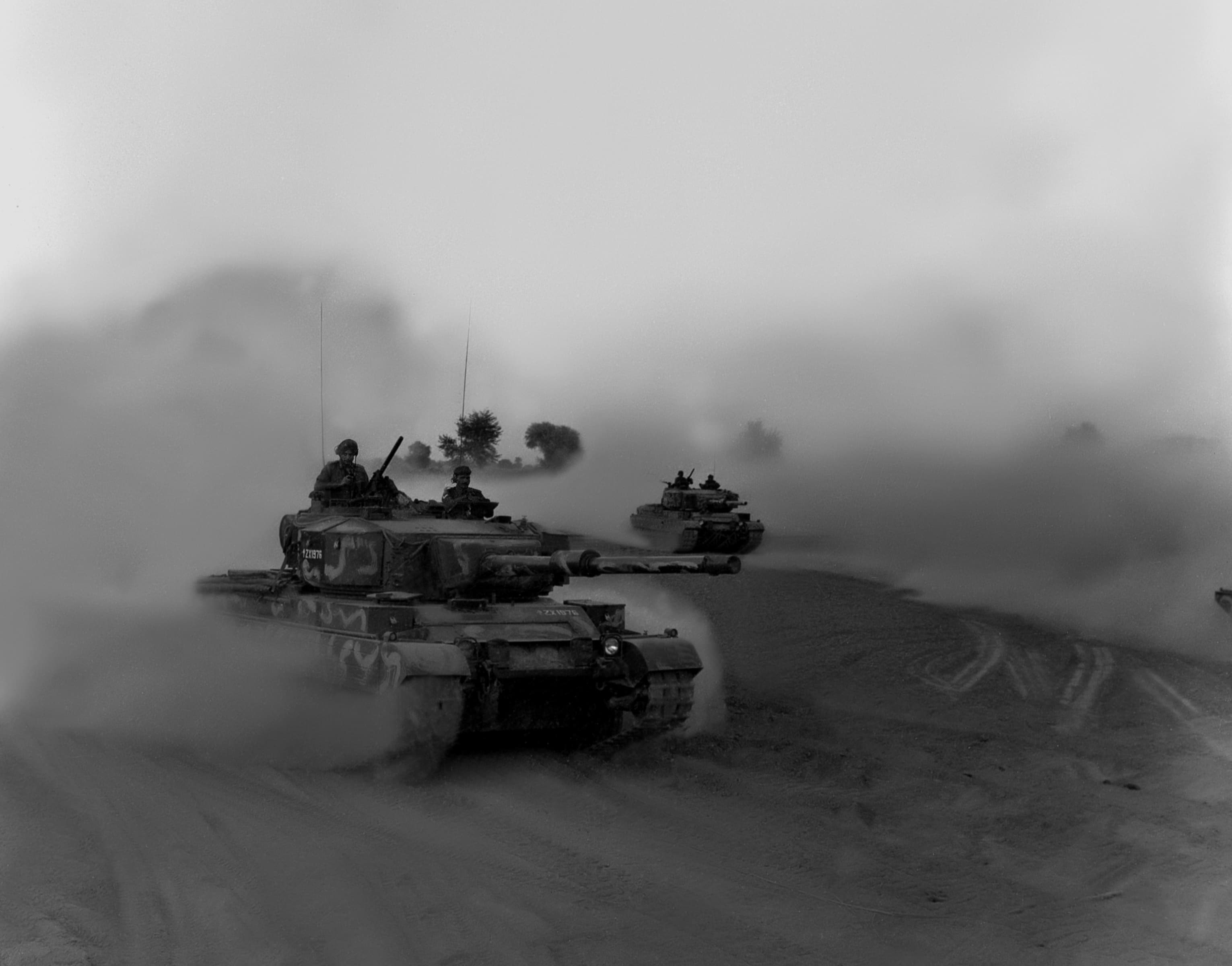
The Battle of Longewala, fought from 04 to 07 December during the 1971 India-Pakistan War, stands as a testament to the extraordinary valour of Indian soldiers. Following a pre-emptive strike by Pakistan on Indian Air Force (IAF) bases on the evening of 03 December, an ambitious Pakistani offensive was launched in the Longewala sector of Rajasthan the next day. The enemy's aggressive thrust aimed to advance towards Jaisalmer and Jodhpur, seeking to capture a significant portion of Indian territory. However, a small contingent of the Indian Army, working in perfect synergy with the IAF, gallantly defended the post against a formidable Pakistani force equipped with tanks.
Military Strategy and the Tactical Use of Terrain
The overarching Indian strategy during the 1971 war was to launch a decisive offensive in the East while undertaking defensive operations with limited offensives in the West. Pakistan, conversely, planned defensive operations in East Pakistan while launching limited offensives in the West.
The geographical context of the Thar Desert, which stretches approximately 50-60 kilometres into Pakistan's territory, heavily influenced tactical execution. The battlefield featured vast expanses of ever-shifting sands, forming steep dunes that extended in a northeast-to-southwest direction. These huge dunes consisted of loose sand with steep gradients, making it extraordinarily difficult for enemy tanks to manoeuvre around the slippery terrain despite their known cross-country mobility. The Indian defenders, severely outnumbered, utilised this treacherous geography to their advantage. By holding an elevated position, they successfully stalled the Pakistani armour throughout the night.
The Power of Jointmanship
The ultimate victory was secured through exemplary jointmanship between the Indian Army and the IAF. While the infantrymen resiliently held off the enemy armour during the night, dawn brought devastating close air support. The IAF's Hawker Hunter and HAL Marut fighter-bombers descended upon the stalled Pakistani tanks, which were struggling to navigate the sandy terrain. This seamless air-ground coordination crippled the Pakistani offensive, demonstrating how ground holding operations coupled with precise aerial strikes can obliterate a numerically superior enemy.
Lessons for Corporate Houses and Business Entities
Strategic Resourcefulness and Positioning: Just as the Indian soldiers used the steep sand dunes and loose sand to neutralise the mobility of enemy tanks, businesses must leverage their unique market positions. A smaller enterprise can outmanoeuvre a well-funded corporate giant by playing to its localised strengths and exploiting the competitor's lack of agility in unfamiliar markets.
Inter-Departmental Synergy (Jointmanship): The flawless coordination between the Army and the IAF highlights the necessity of breaking down corporate silos. When disparate departments — such as product development and marketing, or field operations and executive leadership — align their strategies and execute in harmony, the organisation achieves a force multiplier effect capable of overcoming massive industry disruptions.
Resilient Leadership Under Pressure: The decision to hold ground against overwhelming odds exemplifies crisis leadership. In the corporate world, executives must project unwavering resolve, inspiring their teams to weather economic downturns, supply chain collapses, and hostile market conditions until strategic support can be mobilised.